
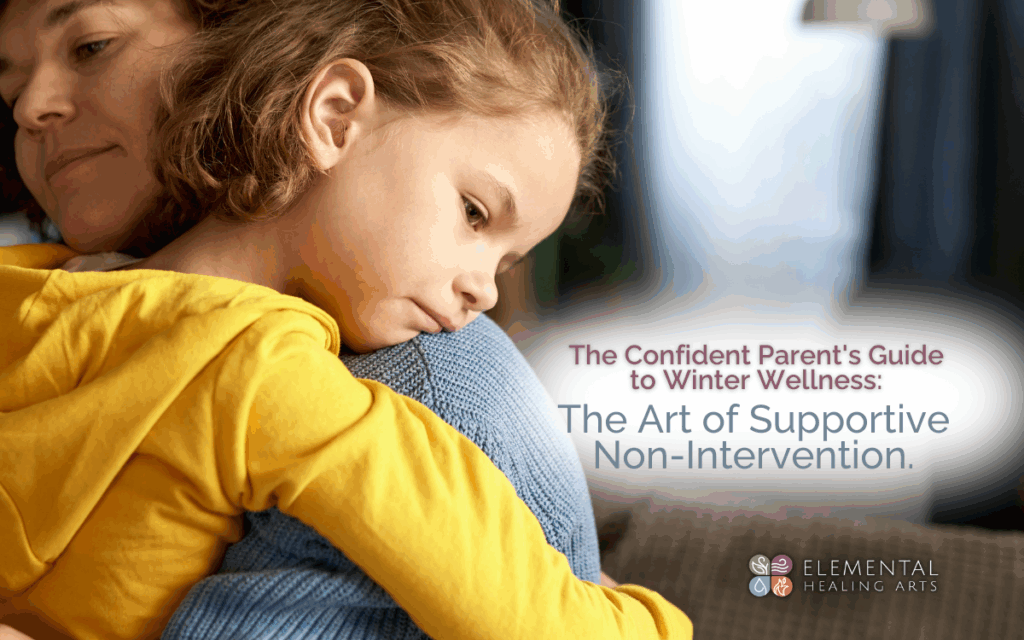
There’s a moment in every parent’s journey when something fundamental shifts. It happened for Claire during her daughter’s third winter cold. Instead of the familiar spiral of worry and frantic online searches, she found herself calmly assessing her child’s needs, trusting her own instincts, and responding from a place of knowledge rather than fear.
“I realized I didn’t just need to help Emma get better,” Claire told me during a follow-up visit. “I needed to teach her that illness isn’t something to fear, that her body knows how to heal, and that she can trust herself even when she doesn’t feel well. She’s started saying things like, ‘My body is working hard to get better,’ instead of ‘I’m sick and scared.'”
This transformation didn’t happen overnight. It grew from Claire’s commitment to building what I call “wellness confidence” – a deep wellspring of knowledge and trust that allows parents to respond to childhood illness from wisdom rather than anxiety. When parents cultivate this confidence, they don’t just support their children’s physical healing – they model a relationship with health that their children carry for life.
The Ripple Effect of Parental Confidence
Children are exquisite mirrors of their parents’ internal states. When we approach illness with fear, urgency, and the need to “fix” everything immediately, our children absorb that energy. They learn that being unwell is dangerous, that their bodies can’t be trusted, and that healing requires external intervention.
But when parents respond to illness with calm knowledge and supportive presence, children learn something entirely different. They discover that illness is a normal part of life, that their bodies are wise and capable, and that healing happens naturally when given the right conditions. This foundation of trust becomes the cornerstone of lifelong resilience.
Building Your Wellness Confidence
Wellness confidence isn’t about having all the answers or never feeling concerned about your child’s health. It’s about developing a foundation of knowledge and trust that allows you to respond thoughtfully rather than reactively. Here’s how to cultivate this invaluable resource:
Understand Normal Childhood Illness Patterns: Most childhood illnesses follow predictable patterns. Fevers typically rise in the evening and fall in the morning. Colds often start with fatigue and progress through congestion to clearing. Understanding these natural rhythms helps you recognize when things are progressing normally versus when additional support might be needed.
Learn to Read Your Child’s Overall Condition: Rather than fixating on individual symptoms, develop the ability to assess your child’s overall state. A child with a fever who is still playing, drinking fluids, and engaging with you is very different from one who is lethargic and unresponsive. This holistic view provides much more useful information than any single symptom.
Trust Your Parental Instincts: You know your child better than anyone. When something feels “off,” trust that instinct. Equally important, when your child seems fundamentally well despite symptoms, trust that too. Your intuitive knowledge of your child is one of your most valuable diagnostic tools.
Create Your Supportive Care Toolkit: Develop a collection of gentle, supportive measures that help your child feel comfortable while their body heals. This might include favourite herbal teas, comfort foods for when appetite returns, favourite essential oils, cozy spaces for rest, and calming activities for quiet days. Having these resources ready removes the pressure to “do something” in the moment.
Morning Wellness Wisdom
When you approach your child’s illness with calm confidence, you’re teaching them invaluable lessons about health and healing. You’re showing them that:
• Bodies are wise and capable of healing
• Illness is temporary and manageable
• Rest and self-care are important parts of recovery
• They can trust their own internal signals about what they need
• Healing happens naturally when given proper support
These lessons become part of their internal framework for approaching health challenges throughout their lives. Children who grow up with this foundation tend to have less anxiety around illness, better body awareness, and more confidence in their own resilience.
The Art of Supportive Presence
Supportive non-intervention isn’t about doing nothing – it’s about doing the right things at the right time. This might mean:
Creating Optimal Healing Conditions: Ensuring adequate rest, proper hydration, nourishing foods when appetite returns, and a calm, peaceful environment.
Offering Comfort Without Interference: Providing physical comfort, emotional support, and reassuring presence while allowing the body’s natural healing processes to unfold.
Staying Attuned to Changing Needs: Recognizing when your child needs more rest, different foods, additional comfort, or simply your quiet presence.
Knowing When to Seek Additional Support: Understanding the difference between normal illness progression and situations that warrant professional consultation.
Raising Resilient Confident Children
When children experience illness within a framework of calm support and trust, they develop what researchers call “health resilience” – the ability to navigate health challenges with confidence and self-awareness. They learn that their bodies are allies, not enemies, and that they have internal resources for healing and recovery.
This resilience extends far beyond childhood illness. Children who grow up trusting their bodies and understanding their own needs become adults who make better health decisions, experience less health anxiety, and have stronger connections to their own wellness.
Your Winter Wellness Foundation
As winter approaches, remember that your confidence is your child’s greatest medicine. When you trust their body’s wisdom, when you respond from knowledge rather than fear, when you create supportive conditions for healing, you’re not just helping them recover from this illness – you’re building the foundation for lifelong health resilience.
The goal isn’t to prevent every sniffle or eliminate all discomfort. It’s to raise children who understand that their bodies are wise, that healing is natural, and that they can trust themselves to navigate whatever health challenges come their way.
Ready to build the wellness confidence that transforms how your family approaches health? Join my 5-Day Natural Kids Wellness Challenge, where you’ll develop the knowledge and tools to support your child’s natural healing abilities with calm presence and supportive care. Discover how to trust your instincts and raise resilient, confident children.
Sign up here to start building your confident parent foundation.